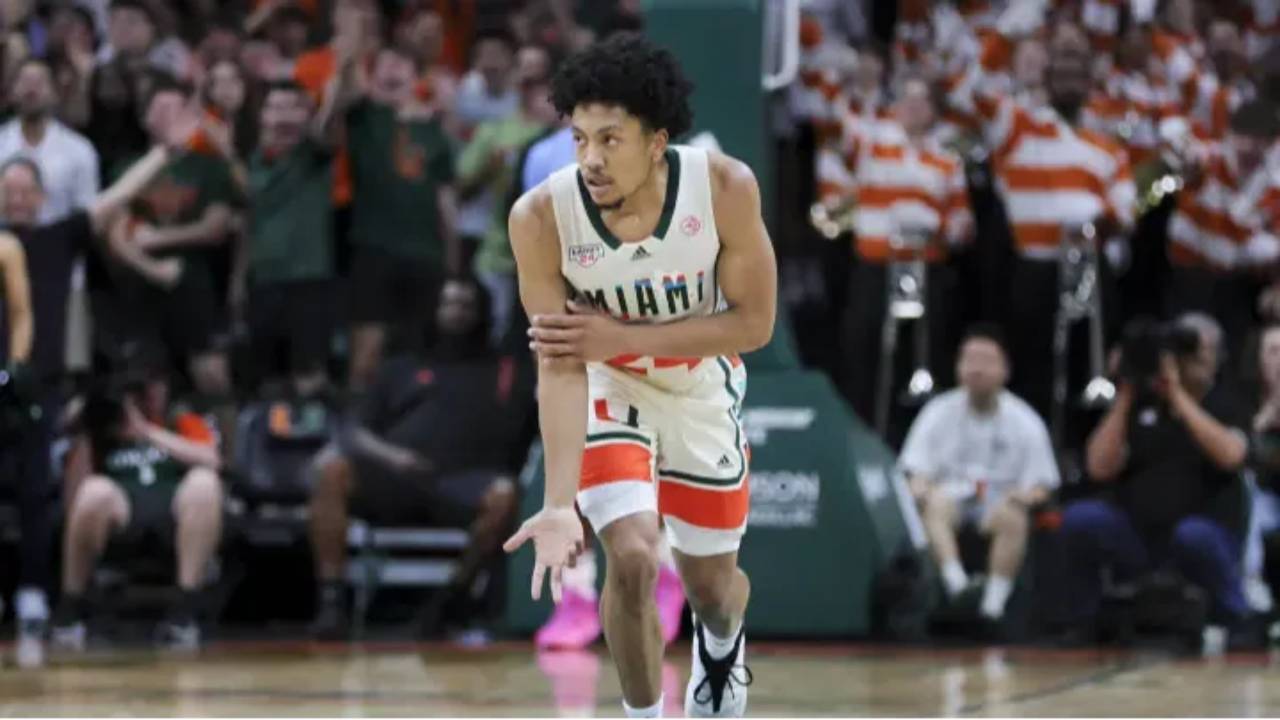
The Dawn of a New Era: Understanding NIL and its Impact on Basketball
The landscape of sports marketing has undergone its most profound transformation in recent history with the advent of Name, Image, and Likeness (NIL) rights for college athletes. This monumental shift finally grants collegiate stars the ability to monetize their personal brand, creating unprecedented opportunities for basketball players across both men's and women's divisions. No longer restricted by amateurism rules, these athletes can now secure endorsement deals, sponsorships, and partnerships that reflect their true market value.
The movement towards NIL rights gained significant traction, arguably amplified by discussions surrounding inequities highlighted during major sporting events. For instance, the stark differences observed between the men's and women's NCAA basketball tournaments in 2021 brought the topic of athlete value and control to the forefront. This period effectively underlined a crucial point: athletes, regardless of gender, possess immense commercial appeal. For basketball players nil opportunities represent a chance to capitalize on their popularity and performance while still in college, setting the stage for future financial stability and career growth.
Connecting Athlete Value and Social Media Influence
In this new NIL era, traditional metrics of athlete popularity are being rapidly redefined. While on-court performance remains fundamental, a powerful new currency has emerged: social media influence. Platforms like Instagram, TikTok, and Twitter serve as direct pipelines between athletes and their fans, building communities and trust that brands are eager to tap into. This direct connection offers a quantifiable way to estimate a basketball player's endorsement potential, making social media presence a critical factor in deal-making.
Social Media: The New Currency for Basketball Players' NIL Value
In the burgeoning NIL economy, a basketball player's social media following is fast becoming the most accessible and potent indicator of their marketability. These digital platforms provide a direct line to engaged audiences, allowing athletes to cultivate a personal brand and connect with fans in ways previously unimaginable. For brands, this translates into a measurable reach and an opportunity to partner with authentic voices.
An insightful analysis by Out of Bounds regarding the 2021 NCAA tournament starters illuminated a fascinating dynamic. It revealed that women's basketball players who were starters in the Sweet 16 had an average of approximately 32,000 Instagram followers per player. This figure strikingly surpassed their male counterparts in the men's NCAA tournament, who averaged roughly 18,100 followers. This data suggests that many women starters in the 2021 NCAA Tournament potentially possessed greater earning power than their male counterparts, purely based on their respective social media followings. Whether defined as a higher ceiling, a higher floor, or a higher average earning potential, the advantage was clear.
To put this into a more concrete perspective, a guiding NIL study from AthleticDirectorU and Navigate Research provided a useful metric: an estimated average annual value of $0.80 per Instagram follower. This calculation, derived from analyzing professional athletes' endorsement portfolios, offers a tangible way to estimate a basketball player's annual earning potential from theoretical endorsements simply by multiplying their follower count by this dollar figure.
Estimating Endorsement Potential: Examples from the Court
Consider some of the top-tier basketball players and their estimated earning potential based on this metric (follower counts as of March 25, 2021):
- Paige Bueckers, UConn (Women's): With 685,000 followers, her estimated annual earning potential was a staggering $548,000.
- Hailey Van Lith, Louisville (Women's): Boasting 673,000 followers, she could command an estimated $538,400 annually.
- Jalen Suggs, Gonzaga (Men's): A prominent male athlete with 304,000 followers, his estimated potential was $243,200.
- Zia Cooke, South Carolina (Women's): With 193,000 followers, her estimated earnings reached $154,400.
- Sedona Prince, Oregon (Women's): Her 94,400 followers translated to an estimated $75,520.
These figures highlight the significant opportunities available, particularly for women's basketball players who have demonstrated a unique ability to build strong, engaged social media communities. For a deeper dive into this phenomenon, explore Women's Basketball Leads NIL Earnings: Instagram Follower Impact.
Note on follower counts: Instagram rounds follower numbers. For accounts with 10,000 to 99,999 followers, it rounds to the nearest hundred. For accounts with 100,000 or more, it rounds to the nearest thousand.
Maximizing Social Media for NIL Deals
For aspiring basketball players nil-ready, simply having followers isn't enough. Strategies to maximize potential include:
- Authenticity: Be genuine in your posts and interactions. Fans connect with real people.
- Engagement: Actively respond to comments, run Q&As, and create interactive content. High engagement rates are gold for brands.
- Content Diversity: While basketball highlights are key, show glimpses into your personality, training, interests, and community involvement.
- Platform Presence: Don't limit yourself to Instagram. TikTok for short-form video, Twitter for quick updates and fan interaction, and even YouTube for longer-form content can broaden your appeal.
Beyond Followers: What Brands Look for in Basketball Players for NIL Deals
While a robust social media following is undoubtedly a critical starting point for estimating basketball players nil value, savvy brands look beyond mere follower counts. Endorsement deals, especially high-value, long-term partnerships, hinge on a more comprehensive evaluation of an athlete's brand fit and influence.
Key Factors for Brand Partnerships:
- Brand Alignment and Values: This is paramount. Brands seek athletes whose personal image, values, and public persona genuinely resonate with their own. A player known for their sportsmanship, community involvement, or unique style will be a natural fit for brands that embody similar principles.
- Engagement Rates and Audience Demographics: A large follower count means little if the audience isn't active or doesn't match the brand's target demographic. Brands analyze metrics like likes, comments, shares, and story views to gauge true engagement. They also want to understand who the followers are – age, location, interests – to ensure a relevant audience.
- Authenticity and Storytelling: Athletes who can tell a compelling, authentic story about their journey, their challenges, and their aspirations are incredibly attractive. This deepens the connection with their audience and makes brand messaging feel more genuine and impactful.
- On-Court Performance and Future Potential: While NIL focuses on personal brand, athletic excellence remains a powerful draw. High-performing athletes generate more media attention and are seen as role models. Brands also consider the athlete's potential for future success, especially for multi-year deals, aiming to 'grow' with the athlete.
- Compliance and Professionalism: Athletes must navigate complex NIL regulations. Brands value players who demonstrate professionalism, understand contractual obligations, and are reliable partners.
Nike's Strategic Play in the NIL Arena
The sportswear giant Nike offers a prime example of a brand making strategic moves in the NIL space. Recognizing the long-term potential, Nike has begun signing basketball players ranging from high school standouts to established college stars. Their approach aligns directly with their mission of "inspiring young athletes who are leading the way now — both on the court and in their communities."
In a significant push, Nike announced NIL deals with five prominent basketball players: Bronny James, Caitlin Clark, Haley Jones, DJ Wagner, and Judea Watkins. This diverse group represents not just current talent but also the future generation of basketball icons. By securing these athletes early, Nike isn't just making a statement; they are setting themselves up for strong, lasting relationships that could evolve into professional endorsements down the line. This forward-thinking strategy allows them to nurture talent and integrate these athletes into the Nike family long before they potentially reach the professional ranks. To understand more about this approach, read Nike's NIL Strategy: Securing Top Basketball Talent from College to High School.
These strategic signings underscore that while social media numbers are a key indicator, they are part of a broader calculus. Brands are looking for a blend of influence, authenticity, performance, and alignment to forge partnerships that deliver both commercial value and brand prestige.
Navigating the NIL Landscape: Tips for Basketball Players and Brands
The NIL era presents both unprecedented opportunities and new challenges for everyone involved. Successfully navigating this landscape requires strategic thinking, foresight, and a clear understanding of market dynamics.
Practical Tips for Basketball Players:
- Proactively Build Your Personal Brand: Don't wait for NIL opportunities to come to you. Start cultivating a strong, authentic presence on social media platforms early. Define your unique voice and what you stand for.
- Understand Your Market Value: Use tools and estimates, like the $0.80 per Instagram follower metric, as a starting point, but also research similar deals and consult with experts to understand your true worth. Your sport, position, performance, and geographic market can all influence this.
- Focus on Engagement, Not Just Followers: Brands prioritize genuine connection. Respond to comments, engage in conversations, and create content that sparks interaction. High engagement rates demonstrate true influence.
- Seek Professional Guidance: The NIL world can be complex. Consider working with agents, marketing firms, or legal advisors specializing in NIL to help you understand contracts, negotiate deals, and ensure compliance with NCAA and institutional rules.
- Be Authentic and Consistent: Your personal brand should reflect your true self. Inconsistency or inauthenticity can damage your reputation and long-term earning potential.
- Prioritize Performance and Academics: While NIL offers financial benefits, your primary focus should remain on your sport and studies. Continued excellence in these areas will naturally enhance your marketability.
Strategic Advice for Brands and Marketers:
- Look Beyond Traditional Metrics: While major stars are attractive, don't overlook players with niche followings, high engagement rates, or compelling personal stories. Sometimes, a smaller, highly engaged audience is more valuable than a vast, passive one.
- Identify Emerging Talent Early: As Nike has demonstrated, spotting and signing high school or early-college basketball players can lead to long-term, high-value partnerships as their careers evolve. This also fosters loyalty.
- Prioritize Long-Term Partnerships: Instead of one-off deals, consider multi-year agreements that allow for deeper integration and more impactful storytelling. This builds brand equity for both the athlete and the company.
- Leverage Data Analytics: Utilize advanced analytics to truly understand an athlete's audience demographics, engagement patterns, and overall influence. This data is crucial for measuring ROI and refining your NIL strategy.
- Embrace Diversity: Recognize the immense and often untapped potential of women's basketball players, who frequently demonstrate superior social media engagement and loyal fan bases.
- Ensure Compliance: Work closely with institutions and stay updated on evolving NIL regulations to ensure all deals are compliant and protect both the athlete and the brand.
Conclusion
The arrival of NIL rights has fundamentally reshaped the sports marketing industry, placing unprecedented power and earning potential in the hands of college athletes. For basketball players nil value is increasingly intertwined with their digital footprint, making social media a pivotal platform for cultivating personal brands and securing lucrative endorsement deals. The analytical evidence, particularly highlighting the significant social media influence of women's basketball players, underscores a dynamic shift in market value. As brands like Nike strategically invest in diverse talent, both athletes and companies must adapt, focusing on authenticity, engagement, and strategic partnerships. The NIL era is not just about financial transactions; it's about empowering athletes, fostering genuine connections, and continually redefining what it means to be a star in the digital age.