Nike's NIL Strategy: Securing Top Basketball Talent from College to High School
The landscape of sports marketing has undergone a seismic shift with the advent of Name, Image, and Likeness (NIL) rights for college athletes. This transformative change allows collegiate and even high school stars to monetize their personal brand, fundamentally altering how brands connect with talent. Among the corporate giants navigating this new frontier, Nike has emerged as a clear leader, implementing a comprehensive and forward-thinking strategy to secure top
basketball players nil talent, from burgeoning high school phenoms to established college superstars.
This strategic pivot is more than just signing athletes; it's about identifying future icons, fostering deep brand loyalty, and shaping the next generation of sports culture. Nike's recent moves demonstrate a deep understanding of the evolving market, particularly the often-underestimated earning potential of diverse athletic profiles and the immense value of early talent acquisition.
The New Frontier of Sports Marketing: Why NIL Matters for Brands Like Nike
For decades, college athletes represented an untapped reservoir of brand influence, their marketability restricted by NCAA amateurism rules. With NIL, this reservoir has burst forth, creating unprecedented opportunities for athletes and brands alike. For a sportswear behemoth like Nike, this shift is not merely an opportunity; it's an imperative to maintain its dominant position.
The ability to engage with athletes during their formative years of public recognition allows brands to cultivate relationships that can span entire careers. This early engagement is crucial for several reasons:
- Early Identification of Marketability: Brands can spot athletes with significant influence even before they turn professional. Social media metrics, as highlighted by an analysis from Out of Bounds, offer a clear indicator. For example, using a guide like the NIL study from AthleticDirectorU and Navigate Research, which calculated an average annual value of $0.80 per Instagram follower, brands can estimate an athlete's potential annual earning from endorsements. This empirical data allows for data-driven investment.
- Brand Alignment and Storytelling: Partnering with athletes early allows Nike to be part of their personal and athletic journey, crafting compelling narratives that resonate with consumers. This builds authentic connections that go beyond transactional endorsements.
- Competitive Advantage: By securing top talent proactively, Nike can stay ahead of competitors vying for the same influential voices. It locks in future stars, potentially denying them to rival brands.
This revolution transforms athletes from unpaid performers into legitimate brand assets, and no one is navigating this shift more shrewdly than Nike.
Nike's Strategic Playbook: From High School Phenoms to College Superstars
Nike's most significant move in the NIL space for
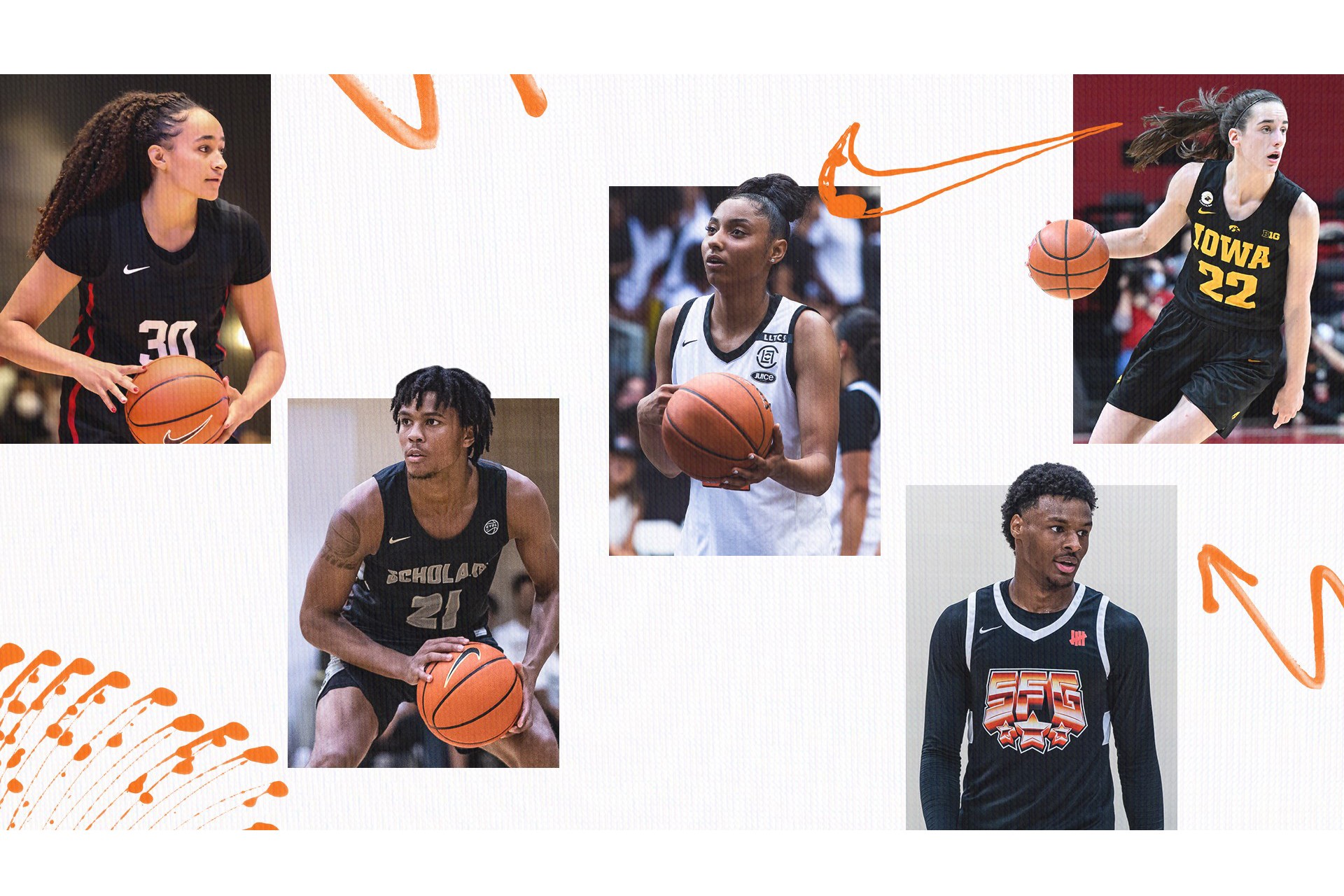
basketball players nil talent was the announcement of signing five prominent basketball players, a roster that strategically spans both the high school and college levels. This diverse group includes:
- Bronny James (College prospect at USC, son of LeBron James): His immense social media following and legacy name bring unparalleled immediate reach and long-term potential.
- Caitlin Clark (Iowa Hawkeyes, college superstar): A record-breaking scorer and cultural phenomenon, her influence extends far beyond the court.
- Haley Jones (Stanford Cardinal, college champion): A proven winner with a strong brand presence.
- DJ Wagner (Kentucky Wildcats, high school phenom turned college star): One of the top recruits in his class, representing the future of men's college basketball.
- Judea Watkins (USC Trojans, high school standout turned college star): An emerging talent with a bright future in women's basketball.
This roster selection perfectly aligns with Nike’s stated mission: "inspiring young athletes who are leading the way now — both on the court and in their communities." By signing athletes at different stages of their development, Nike ensures both immediate visibility and a robust pipeline for future endorsements. Bringing high school stars like DJ Wagner and Judea Watkins into the fold early creates a deep, long-standing relationship, potentially nurturing them into career-long Nike athletes. Meanwhile, college stars like Caitlin Clark and Haley Jones offer immediate, high-impact visibility thanks to their current platforms and achievements.
Tapping into Untapped Potential: The Power of Women's Basketball in NIL
One of the most insightful aspects of the NIL era, and a key factor in Nike's strategy, is the emergence of women's basketball players as significant earning powerhouses. While historically overshadowed in traditional media, female athletes, particularly in basketball, have cultivated massive, engaged followings on social media platforms.
Data from an analysis by Out of Bounds regarding the 2021 NCAA tournaments strikingly illustrates this. Women’s basketball players starting in the Sweet 16 had an average of roughly 32,000 Instagram followers per player, significantly higher than their male counterparts, who averaged about 18,100 followers. This disparity translates directly into greater earning potential. For example, athletes like Paige Bueckers (UConn) with 685,000 followers ($548,000 estimated annual earning potential) and Hailey Van Lith (Louisville) with 673,000 followers ($538,400) demonstrate the immense market value. Indeed, of the 35 NCAA tournament starters with at least 20,000 Instagram followers, 16 were women, including nine of the top 11.
Nike's decision to sign prominent female athletes like Caitlin Clark, Haley Jones, and Judea Watkins is a testament to recognizing this untapped market power. It's not merely about promoting diversity; it's a shrewd business move to capitalize on the demonstrable influence and marketability of these athletes. Their ability to connect authentically with fans makes them incredibly valuable brand ambassadors. This strategic recognition by Nike highlights a crucial shift in how athletic talent is valued and underscores the significant opportunities available for women in the NIL landscape. For more detailed insights into this phenomenon, you can explore our article:
Women's Basketball Leads NIL Earnings: Instagram Follower Impact.
The Long Game: Building a Dynasty of Endorsers
Nike's NIL strategy for
basketball players nil extends far beyond immediate sales or short-term campaigns. It's a calculated investment in the future, designed to build a robust pipeline of long-term endorsees. By forging relationships with athletes during their amateur careers, Nike aims to create an enduring connection that ideally transitions into professional sponsorships.
This approach offers several strategic advantages:
- Reduced Risk: Nike gets to evaluate athletes' character, work ethic, and brand fit before committing to potentially multimillion-dollar professional contracts. This early vetting reduces the risk of future endorsement deals.
- Brand Loyalty: Athletes who begin their endorsement journey with Nike are more likely to remain loyal to the brand throughout their careers, creating a powerful legacy of association.
- Competitive Barrier: Securing promising young talent early prevents competitors from establishing similar deep relationships, solidifying Nike's dominance in the sports endorsement market.
For aspiring athletes, understanding the long-term implications of NIL deals is vital. Choosing a brand that aligns with their values and career aspirations, rather than just the highest immediate offer, can pave the way for a more stable and successful future. For brands, engaging authentically and offering more than just monetary compensation – such as mentorship, development opportunities, and genuine partnership – can cultivate these invaluable long-term relationships. Estimating an athlete's true market potential using various metrics, beyond just social media, is critical for both parties, as discussed in:
NIL Value: Estimating Basketball Star Endorsement Potential by Social Media.
Nike's proactive and inclusive approach to NIL is setting a new industry standard. By investing in talent from high school to college, and recognizing the significant value of women's basketball players, the company is not just adapting to the future of sports marketing; it's actively shaping it.
Conclusion
Nike's comprehensive NIL strategy, particularly its focus on securing top
basketball players nil talent across different stages of their athletic journey, represents a masterclass in modern sports marketing. By embracing the transformative power of NIL, Nike has not only strengthened its roster of influential endorsers but has also reinforced its brand identity as a company that champions and inspires athletes. Their strategic inclusion of high school phenoms, established college stars, and a keen eye for the immense marketability of women's basketball players positions them perfectly for sustained success in this new era. As the NIL landscape continues to evolve, Nike's early, bold, and inclusive moves are likely to serve as a blueprint for how major brands will engage with athletes for decades to come, ensuring a continuous pipeline of talent and a reinforced connection with the next generation of sports fans.